Other estimates put the number of people requiring psychiatric assistance at more than 50 million. The crisis is driven by widespread societal stigma, a lack of public awareness, and a critical shortage of resources, with fewer than 5,000 trained psychiatrists available for a population of around 250 million. Mood and stress-related disorders (like anxiety and depression) are the most common.
RCK’s Mental Health Awareness Project
In this scenario, RCK partnered with Transformation International Society, a local NPO. The first project was undertaken in 2021-2022 with a Rotary Global Grant of around US$ 45,000. Sponsors included local Rotarians, District contributions and global partner Philippines. One hundred adult patients were provided treatment for 3 months.
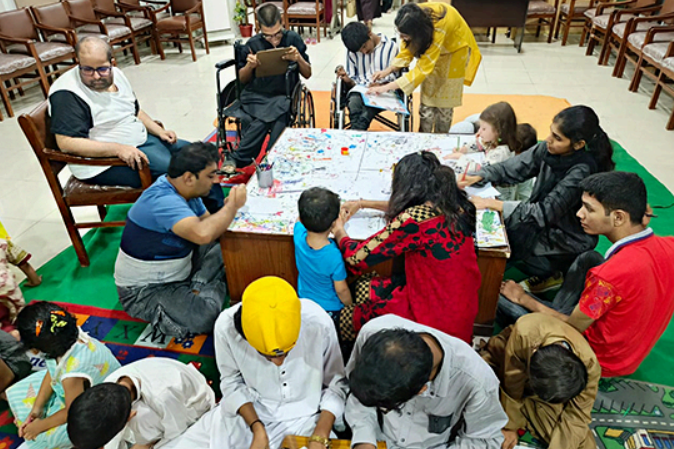
A second Global Grant was approved in September 2025 for a 6 months project, titled Differently Abled Children’s Rehabilitation. The main objective of this project was to empower 100 children with neurodevelopmental disorders to become more independent and reduce their dependency by improving their cognitive, behavioral, social, and daily living skills through comprehensive therapeutic, technological, and educational support.
Alarmingly, as per one study, up to 35% of school-aged children struggle with diagnosable mental health conditions. Academic pressures, family conflicts, and climate-induced trauma (e.g., severe flooding and heatwaves) lead to high rates of generalized anxiety and major depressive disorders. Additionally conditions such as Attention Deficit Hyperactivity Disorder (ADHD) and Autism Spectrum Disorder (ASD) are highly prevalent. Dyslexia, Oppositional Defiant Disorder (ODD), and cognitive disabilities remain poorly understood.
The project aligns with Rotary’s Maternal and Child Health and Fighting Disease focus areas, by addressing neurodevelopmental disorders through early identification, intervention, and family-centered support. Conditions such as autism, ADHD and developmental delays affect children’s cognitive, social and emotional development, while also placing significant emotional and psychological stress on mothers and caregivers.
The project promotes early screening and access to developmental support services to improve long-term outcomes for children during their critical developmental years. At the same time, it supports maternal wellbeing by providing mothers with guidance, awareness and counseling enabling them to better manage their child’s needs and reduce caregiver stress. By improving access to developmental health services, especially for underserved communities, the project contributes to healthier child development, stronger family support systems and improved maternal and child health outcomes.
Community needs were identified through consultations with parents, caregivers and healthcare professionals, as well as through direct observations of the challenges faced by children with neurodevelopmental disorders and their families within the community.
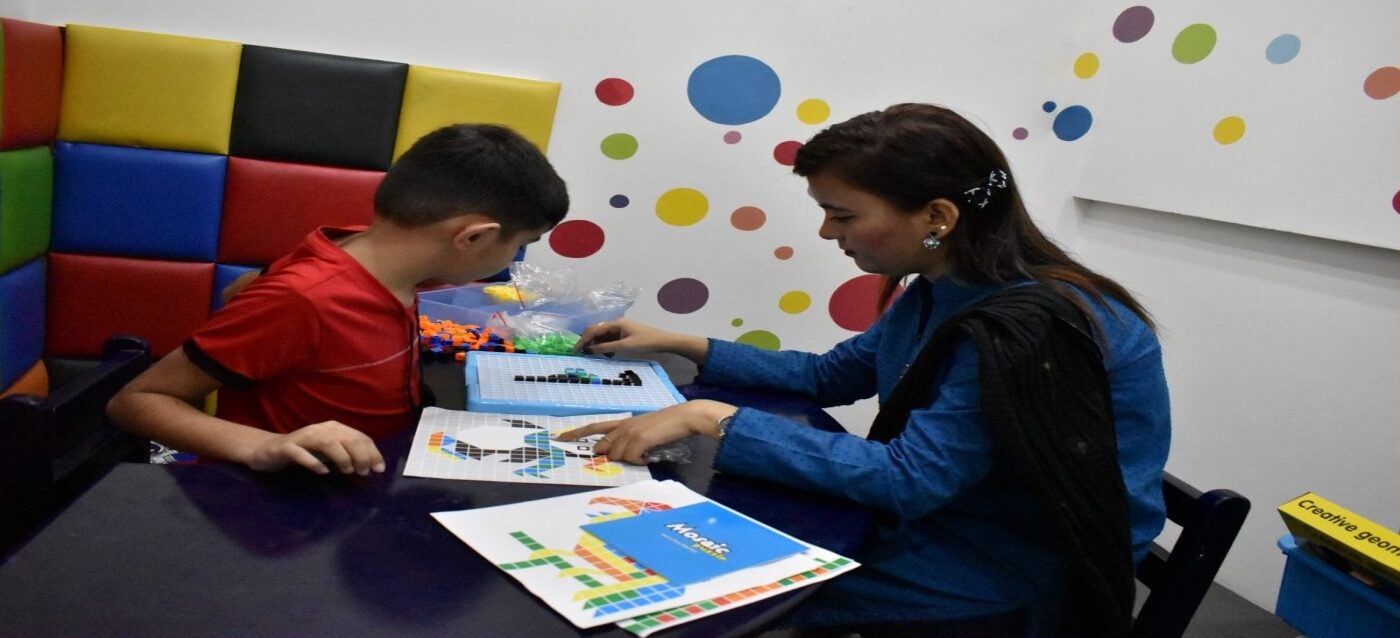
The treatment includes comprehensive assessment followed by a range of therapeutic interventions such as occupational therapy, behavior therapy, cognitive therapy, physiotherapy, and speech therapy. It also incorporates digital learning tools, including WonderTree, Makharij, OctoStudio, and Scratch, to support engagement and skill development.
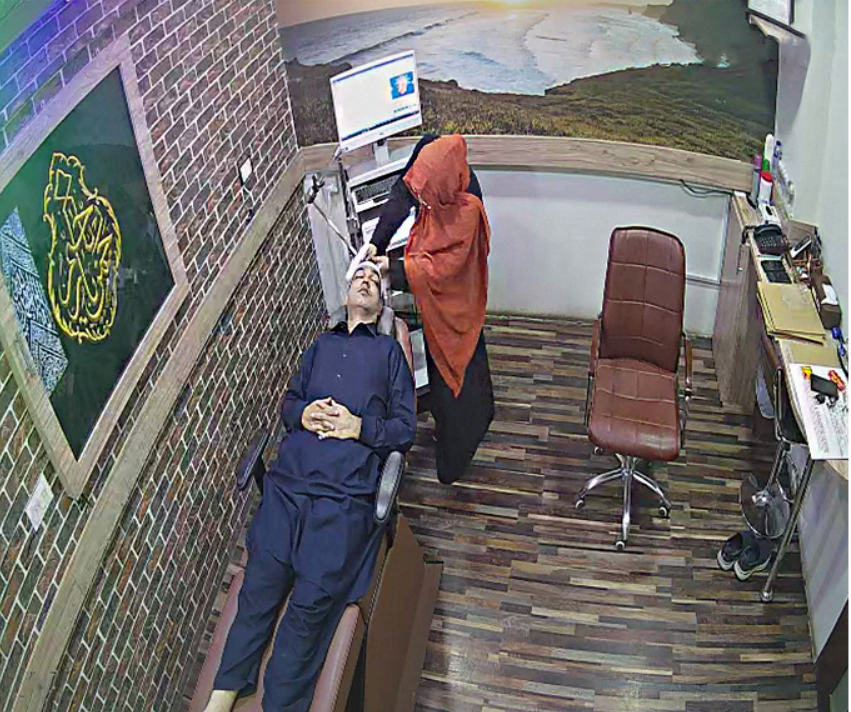
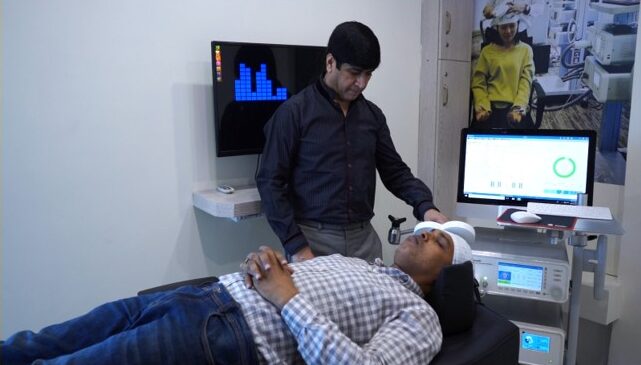
In addition, advanced interventions such as rTMS and diagnostic/analytical support through qEEG are utilized where appropriate. Children also receive regular consultations with psychiatrists and neurologists as needed to ensure continuous medical and developmental oversight.