Fewer than 2 in 5 women in Pakistan are aware of breast cancer risk factors.
Around 69% of women are diagnosed at stage 3 or 4, due to low awareness, cultural stigma, and lack of screening, resulting insignificantly lowering survival rates and
high mortality.
Further, an alarming rise in cases among young women has been reported. Even worse, cases are rising, with a projected 60% increase in cases in cities like Karachi between 2015 and 2025. Lifestyle factors like high-fat diets (40%), lack of exercise (95%), and high BMI (78.8%) are prevalent contributing factors.
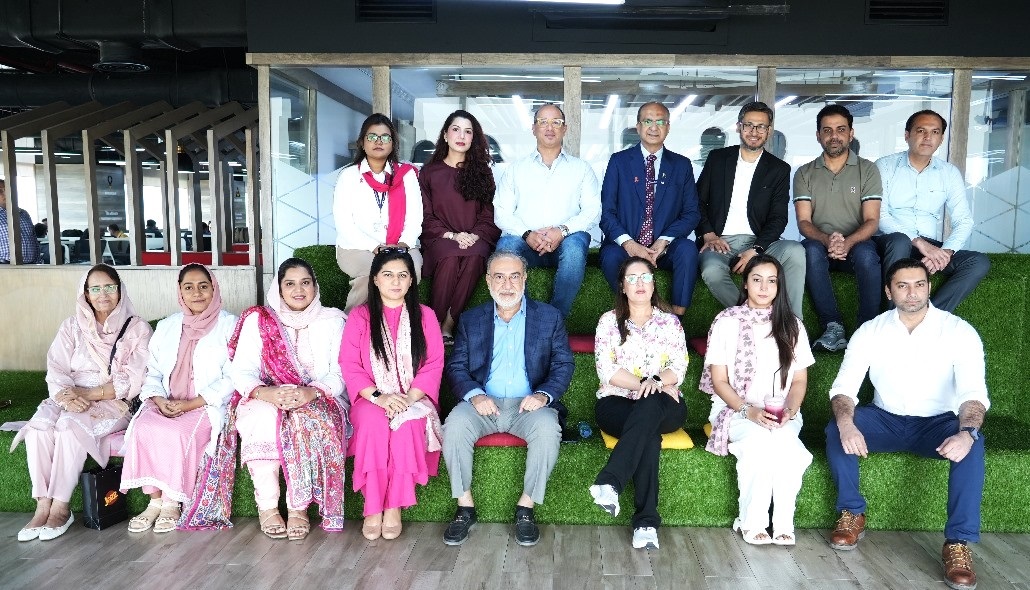
With this background, RCK joined hands with the Memon Medical Institute Hospital ((MMIH), when it launched an initiative in 2023, to promote early detection and awareness about breast cancer among women. PP RCK Ajaz Saya is also the Chairman of MMIH and thus the collaboration between the 2 organizations was a natural fit.
The target audience for this ongoing project is primarily students of schools, colleges and universities, and females working in the corporate sector and in industries.
The project promotes early detection and awareness of breast cancer and improving women’s health and well-being. It educates communities on prevention, empowering women through knowledge and encouraging economic and social participation. The initiative also supports sustainability and community responsibility.
Rtn. Shumaila Omar, Chairperson, RCK Breast Cancer Awareness Project
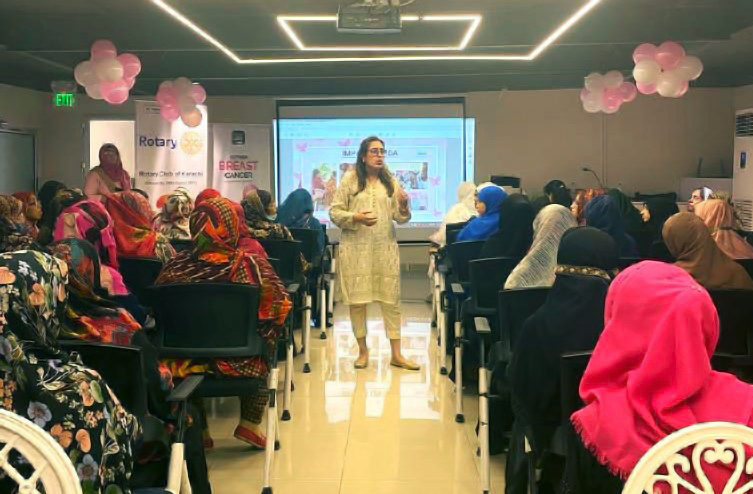
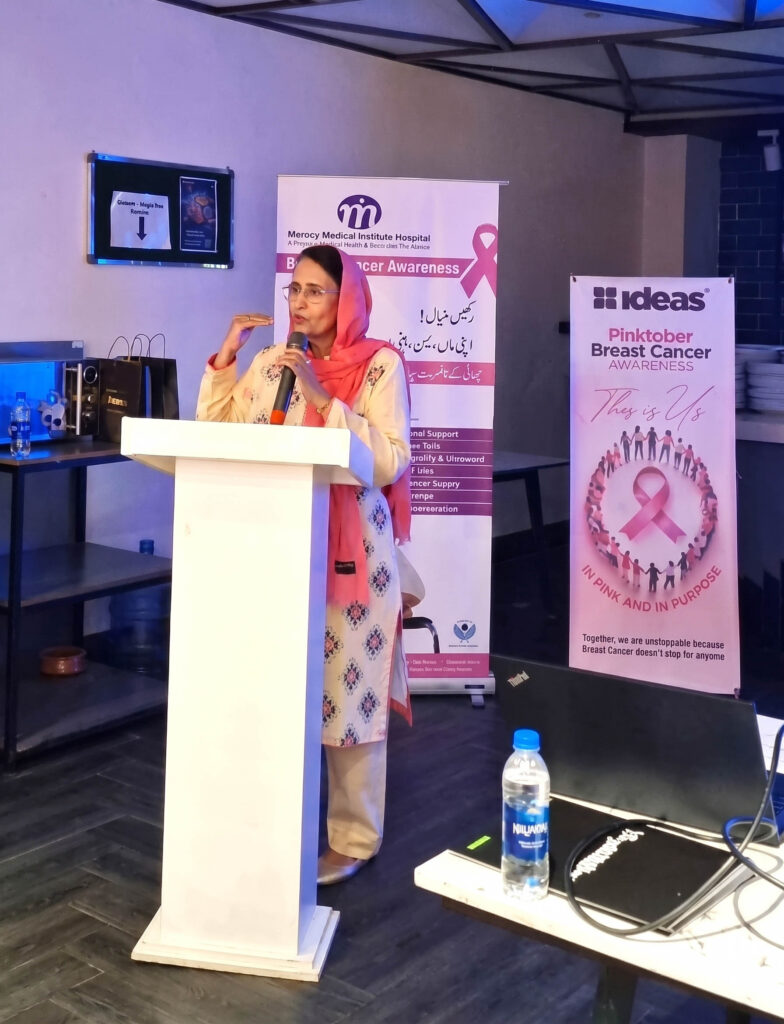
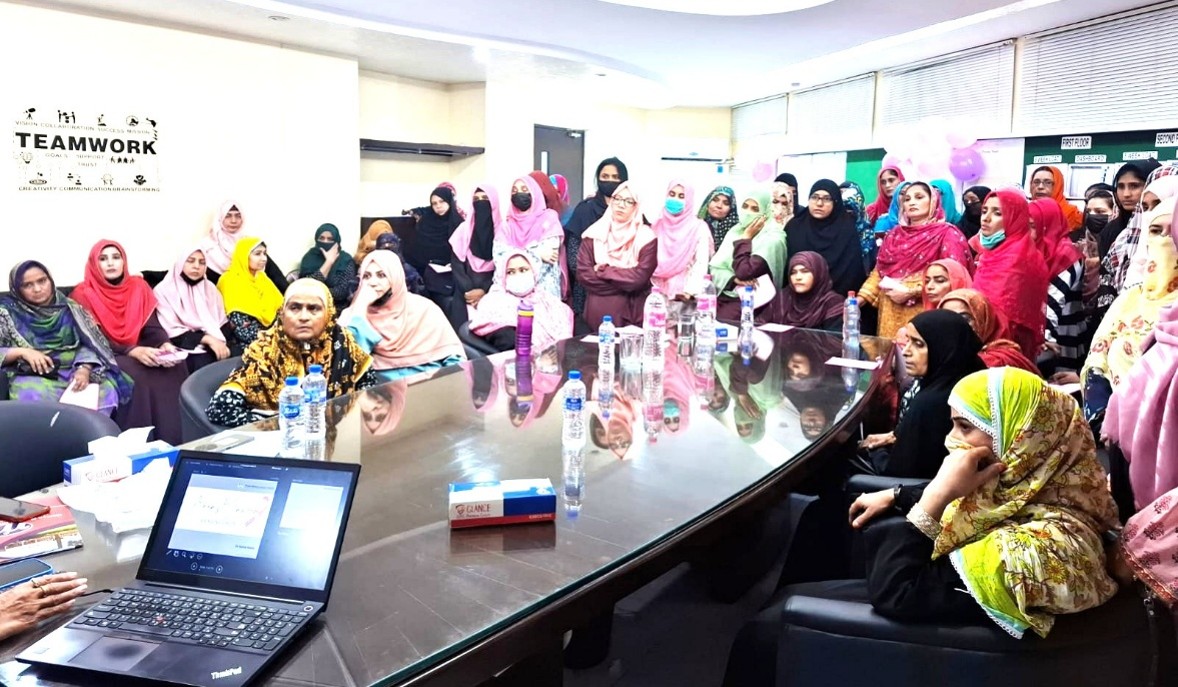
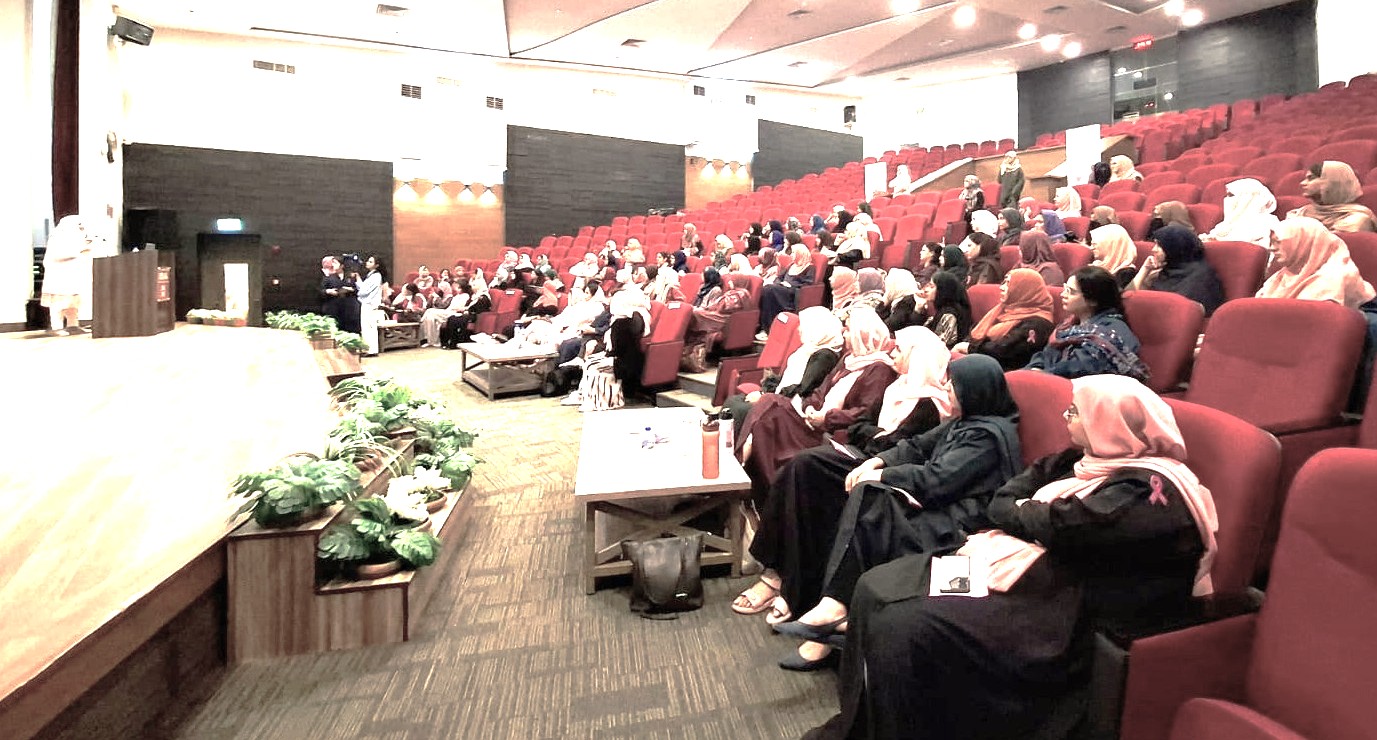
Under this project, community needs are identified through surveys, consultations and observations. The Breast Cancer Awareness (BCA) sessions are conducted in an interactive and informative method. Lasting about 60 to 90 minutes, a typical session focuses on educating participants about the importance of early detection, self-examination techniques, and the role of timely screening in saving lives. The session begins with an introduction about breast cancer awareness, followed by an expert talk by a medical specialist of MMIH, who highlights preventive measures, lifestyle awareness, and emotional well-being.
The session also includes an engaging Q&A segment where women can freely ask questions and clarify doubts in a comfortable environment. In many sessions, on-site screening facilities or referrals for mammograms are offered to encourage proactive health checks. The atmosphere remains open, supportive, and empowering—aimed at breaking myths, reducing fear, and inspiring women to take charge of their health through awareness, early action, and community support.
Through these efforts, participants gain essential knowledge about self-examination, and informed that the only reliable way to screen for breast cancer is through a mammogram. Screening mammograms help in the early detection of Breast Cancer. Women are advised to get screening mammograms done every year, after the age of 40. And if anyone has a family history of Breast Cancer or other risk factors, their doctor may advise them to get a mammogram done even sooner. Some may also be asked to get breast ultrasounds if mammograms prove inconclusive on their own.
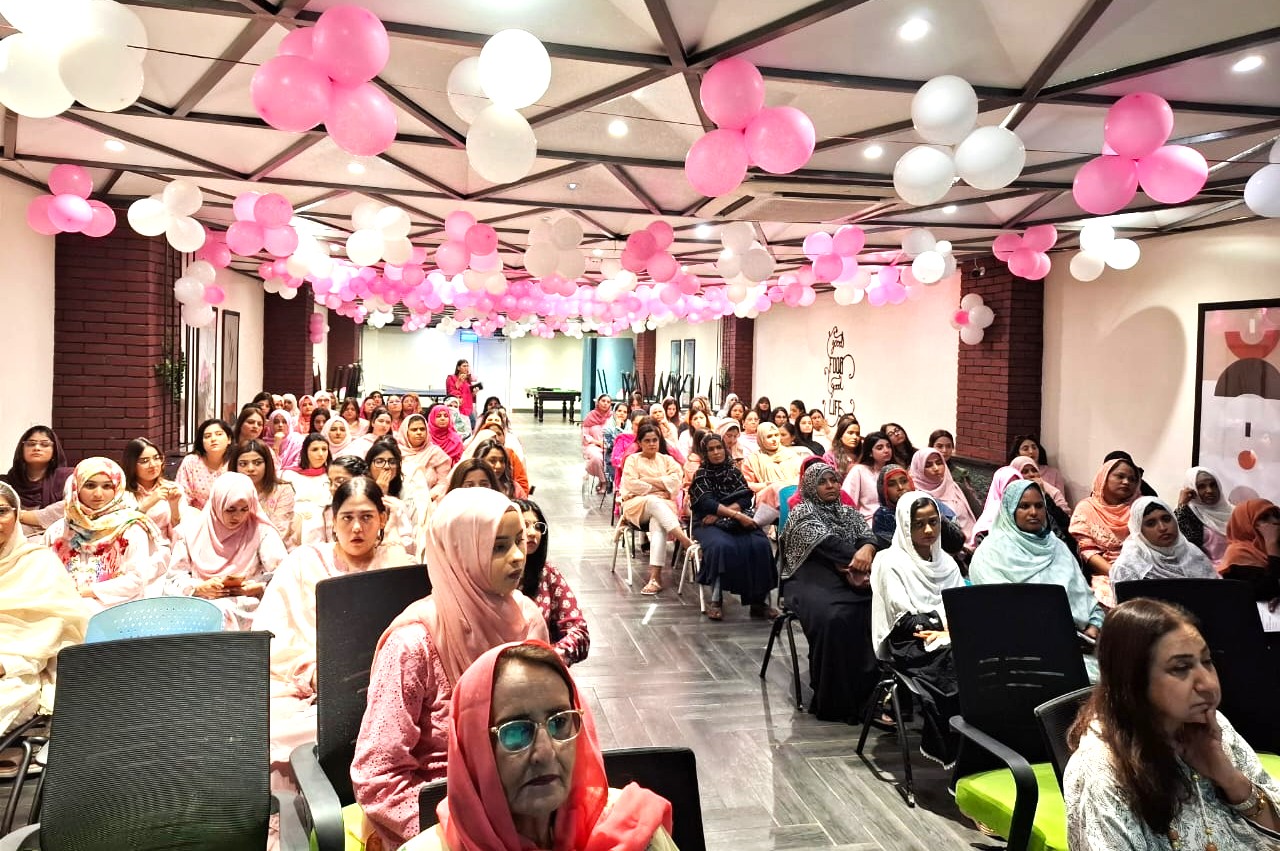
So far, the MMIH has successfully conducted 68 Breast Cancer Awareness sessions, which were attended by 4,500 individuals. The RCK participated in several of these sessions
In this total number of sessions, 2,200 women underwent screening , with 190 biopsies performed subsequently. Additionally, more than 2,200 mammograms and ultrasounds were completed. Furthermore, over 230 patients received essential, life-saving surgical treatment.
The Breast Cancer Awareness Project aligns with several of Rotary’s key focus areas, including Disease Prevention and Treatment, Maternal & Child Health, Basic Education & Literacy, and Community Economic Development.