Mother’s Day is observed annually on the second Sunday of May in the US and in almost 40 other countries‚ honoring mothers and motherhood‚ and the bond between mothers and children. The 2026 Mother’s Day will be on Sunday‚ May 10. Anna Jarvis created the modern Mother’s Day in 1908, in part to honor the memory of her own late mother. Woodrow Wilson‚ the 28th American president‚ made Mother’s Day a national holiday in the United States in 1914.
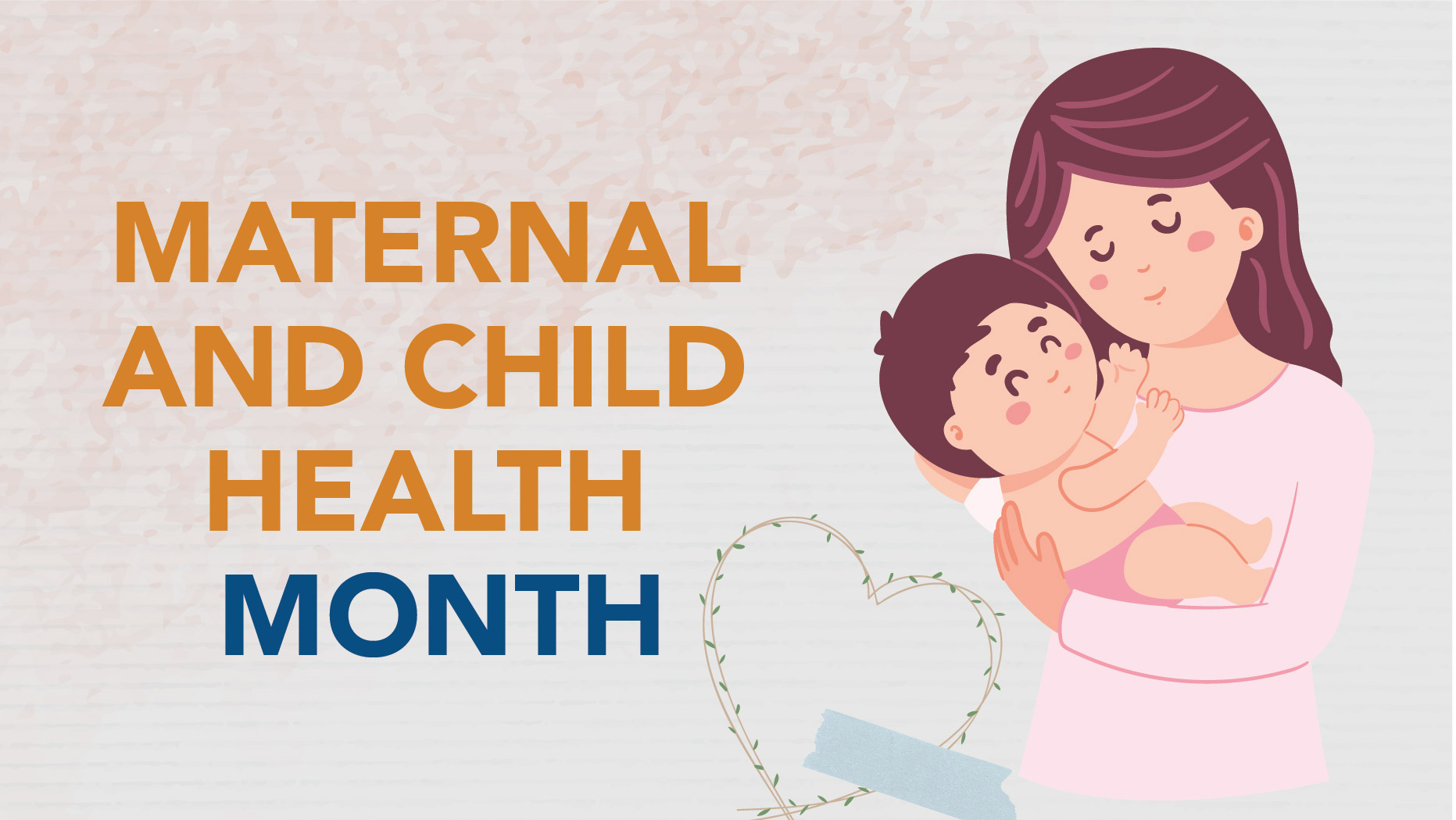
While the mother is generally expected to be a caregiver‚ anchor‚ and the foundational support of almost all societies and cultures globally, the experiences of the millions of mothers and specifically those in developing countries are much more complex. Maternal health is one of the great health challenges facing the world today. Each year millions of children under five die from preventable causes‚ half in the first 28 days of life‚ usually mainly due to poor access to healthcare‚ nutrition‚ and water and sanitation.
Pakistan suffers from a high maternal and neonatal disease burden. With 27 mothers and 675 newborns dying every day‚ there is a need for improved response measures with emphasis on accountability to address preventable causes. This leads to around 9,800 maternal deaths and 246,300 neonatal deaths annually. Furthermore‚ Pakistan has a high maternal mortality ratio of 186 maternal deaths per 100‚000 live births. Pakistan has one of the highest neonatal mortality rates i.e., 42 per 1‚000 live births, and stillbirth rates are also among the world’s highest at 27.5 per 1‚000 births This is due to both healthcare and socio-economic issues‚ as well as inadequate access to trained medical care.
It is in this context that the importance of Mother’s Day is multiplied: beyond a symbolic gesture. We are reminded of the duty to ensure that mothers are protected‚ supported and empowered. This means that health systems in all countries should not regard access to maternal health care as a target in itself‚ but as part of sustainable development that contributes to safer pregnancies‚ skillful birth attendance and follow-up in the postnatal period.
Rotary International focuses on maternal and child health by providing preventative care through increased access to basic healthcare‚ prenatal care and improved sanitation Projects providing immunization‚ antibiotics‚ safe birthing kits‚ training to birth attendants‚ and education about maternal nutrition‚ breastfeeding and disease prevention align with SDG 3.7 to achieve universal access to sexual and reproductive health care. In addition‚ the Rotary Action Group for Reproductive‚ Maternal and Child Health (Rotary Action Group for RMCH) also engages in these efforts.
Mother’s Day, therefore, is not only a celebration of affection but a call to action. It invites reflection on how societies value and invest in maternal health, and whether that value is reflected in policy, infrastructure, and outcomes. In honouring mothers, we are ultimately affirming a broader commitment: to protect life at its very beginning, and to build a future where care, compassion, and responsibility are not seasonal gestures, but enduring priorities.