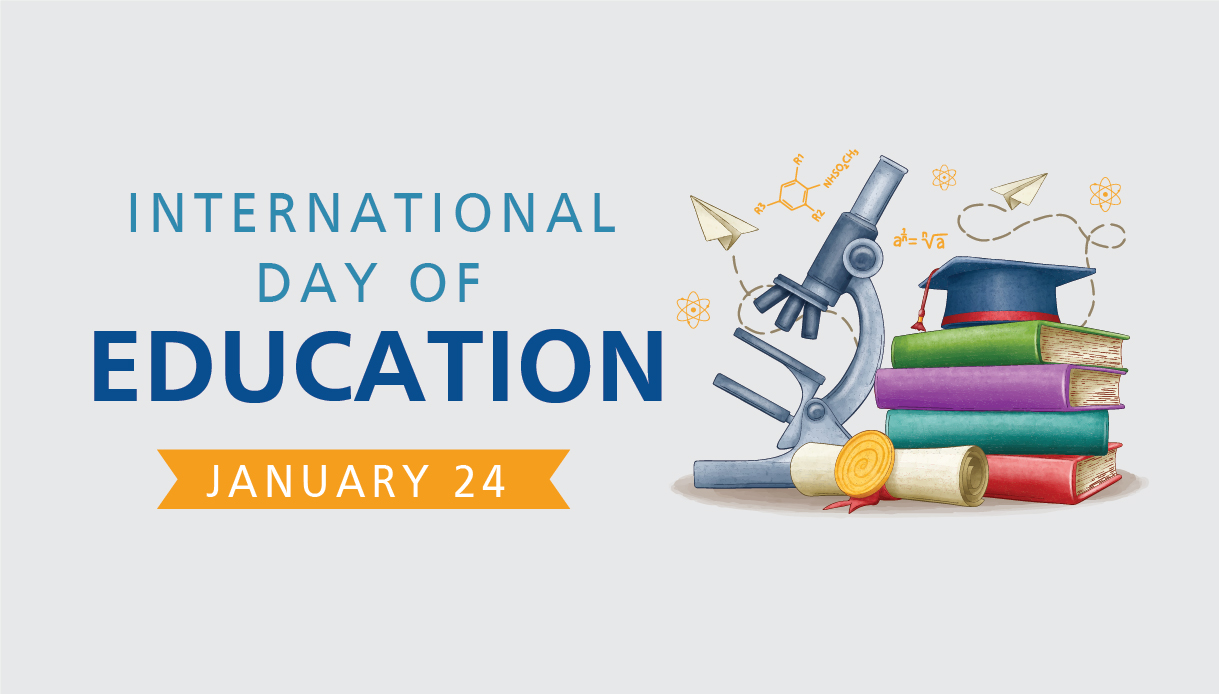
On January 24, the world marks the International Day of Education, a global observance proclaimed by the UN General Assembly in December 2018. The Day serves as a collective reminder of education’s central role in peace-building, sustainable development, and social cohesion.
For the International Day of Education 2026, the emerging theme, “Learning for Lasting Peace,” reflects a timely and deeply relevant global aspiration, and underscores education’s capacity to nurture understanding, tolerance, and resilience, at a time when societies worldwide face increasing polarization, conflict, and inequality. It reinforces the idea that peace is not merely the absence of conflict, but the presence of informed, engaged, and empowered citizens, an outcome that only education can sustainably deliver.
Education, as articulated by the UN, is a human right, a public good, and a shared responsibility. It extends far beyond classrooms and curricula. Education empowers individuals to break cycles of poverty, advances gender equality, and equips societies to manage conflict, diversity, and change. The 2030 Agenda for Sustainable Development, explicitly recognizes that none of its 17 goals can be achieved without education at their core. Thus, learning becomes the connective tissue linking economic opportunity, civic participation, and long-term peace.
Yet, the global picture remains deeply concerning. According to UN framework data, 244 million children and adolescents worldwide remain out of school, while 617 million lack basic literacy and numeracy skills. These realities underscore why SDG 4 – to ensure inclusive and equitable quality education and promote lifelong learning opportunities for all – remains central to global progress. Education’s impact also intersects with SDG 5 (Gender Equality) and SDG 16 (Peace, Justice, and Strong Institutions), reinforcing its cross-cutting significance.
Within Pakistan, at least 60–67 million people illiterate. Alarmingly, 38% of children or 26 million are out of school, with a disproportionate number being girls. It is scary to imagine what the future holds for these children. These figures highlight the urgency of sustained investment, policy reform, and community driven solutions to address systemic gaps and ensure equitable access to learning.
Education empowers individuals to break cycles of poverty, advances gender equality, and equips societies to manage conflict, diversity, and change.
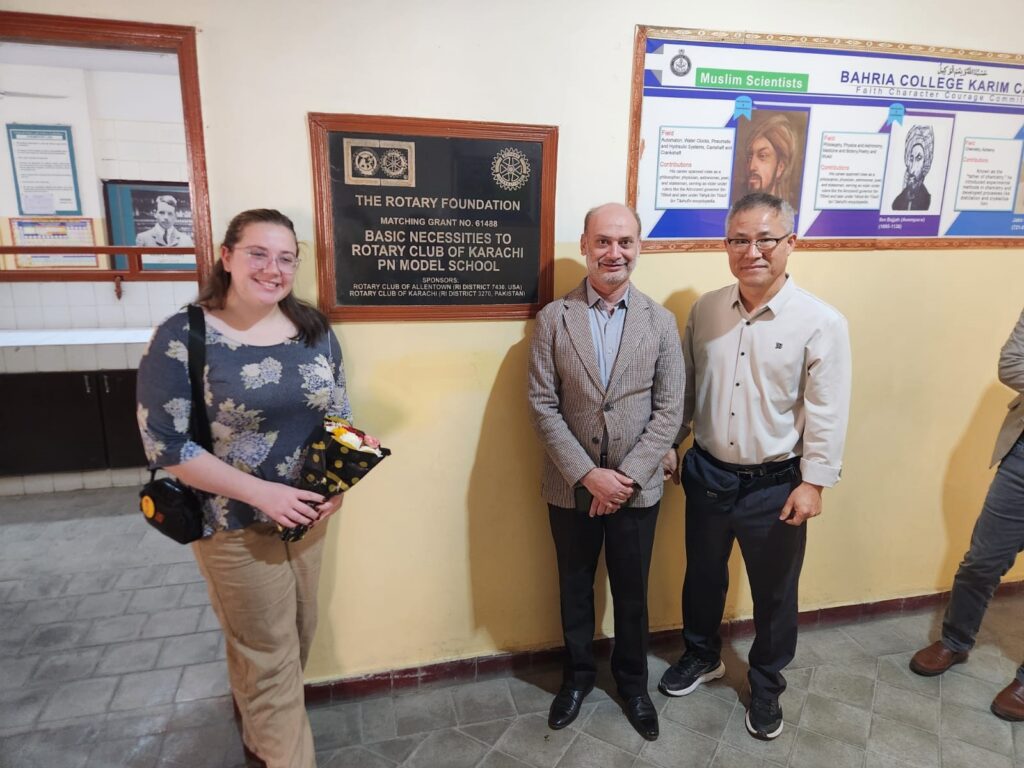
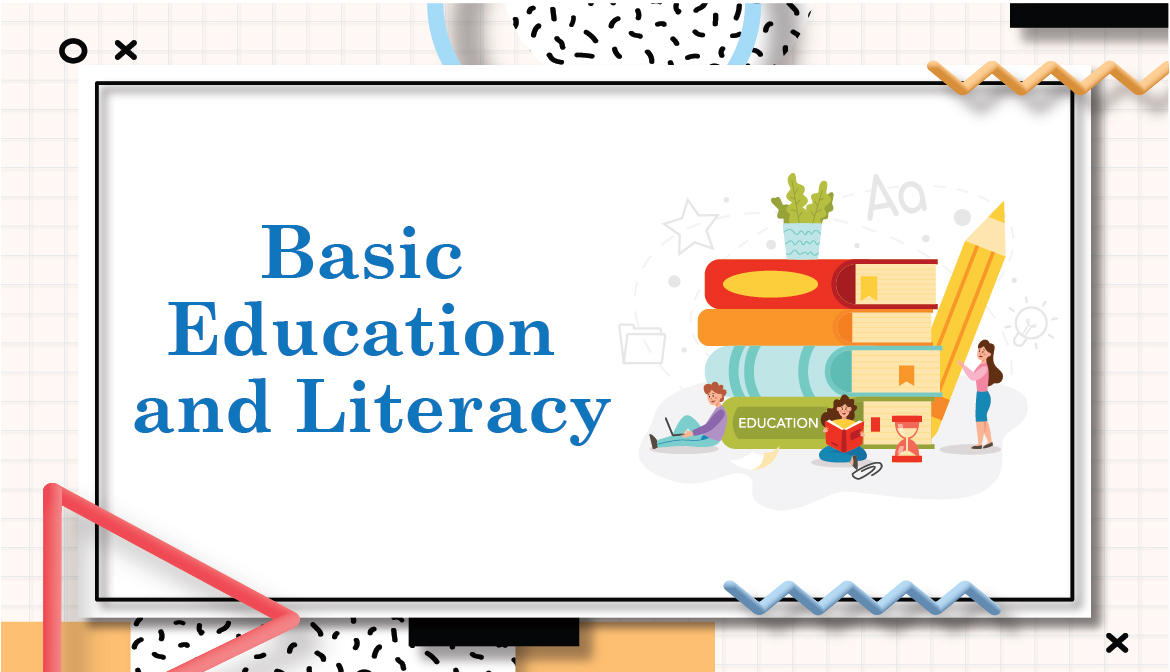
Against this backdrop, Rotary’s commitment to education and literacy acquires renewed relevance. Rotary’s global goal is clear: to strengthen community capacity to support basic education, reduce gender disparity, and expand literacy for children and adults alike. Through The Rotary Foundation, this commitment is translated into action; supporting schools in underserved regions, advancing adult literacy initiatives, introducing innovative teaching methods, and ensuring healthy learning environments. These efforts reflect Rotary’s belief in education not as charity, but as an investment in sustainable, community-led progress.
As we observe the International Day of Education 2026, the message is clear: education remains our most powerful instrument for lasting peace and shared prosperity. The responsibility to protect and advance this right rests with governments, institutions, and civil society alike—and with informed leaders who recognize that investing in education is, ultimately, an investment in humanity’s collective future.